
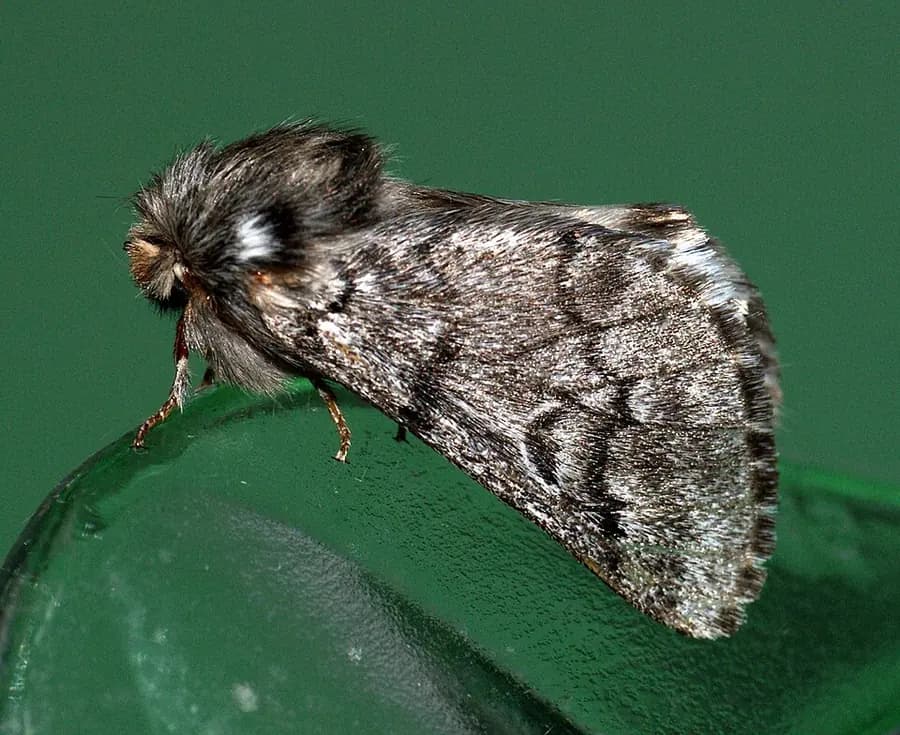
🦋Pine processionary
The pine processionary is a moth of the subfamily Thaumetopoeinae in the family Notodontidae, known for the irritating hairs of its caterpillars, their processions, and the economic damage they cause in coniferous forests. The species was first described scientifically by Michael Denis and Ignaz Schiffermüller in 1775, though it was known to the ancients, with remedies described by Theophrastus, Dioscorides and Pliny the Elder. Its processionary behaviour was described in 1916 by the French entomologist Jean-Henri Fabre. It is one of the most destructive species to pines and cedars in Central Asia, North Africa and southern Europe.
Text: Wikipedia, CC BY-SA 4.0.
The IUCN Red List has not assessed Thaumetopoea pityocampa yet.
- Body mass
- not recorded
- Body length
- not recorded
- Shoulder height
- not recorded
- Top speed
- not recorded
- Bite force
- not recorded
- Maximum lifespan
- not recorded
Everything we know about the Pine processionary
Typical adult figures. Where a value is an estimate rather than a measurement, it says so.
No measurements for Pine processionary yet.
Family tree
- kingdomAnimalia
- ›phylumArthropoda
- ›classInsecta
- ›orderLepidoptera
- ›familyNotodontidae
- ›genusThaumetopoea
- ›speciesThaumetopoea pityocampa
- classInsects · Insecta
- orderButterflies & moths · Lepidoptera
- subfamilyThaumetopoeinae
- genusThaumetopoea
All 11 branches ↓Fewer branches ↑
- kingdomMetazoa
- phylumArthropoda
- subphylumHexapoda
- classInsects · Insecta
- subclassPterygota
- superorderAmphiesmenoptera
- orderButterflies & moths · Lepidoptera
- suborderGlossata
- familyNotodontidae
- subfamilyThaumetopoeinae
- genusThaumetopoea
More about the Pine processionary
No videos of the Pine processionary yet.
We have 44,653 videos so far, and none of them features this animal yet.
All videos →Compare the Pine processionary
Pick a tool — the Pine processionary is already selected.
Compare every stat with any other animal.
Stand them on the same floor and see who's bigger.
How speed, brain and bite scale with body size. This animal isn't in the sample yet.
See where it sits in the tree of life.