
🐘Elephant
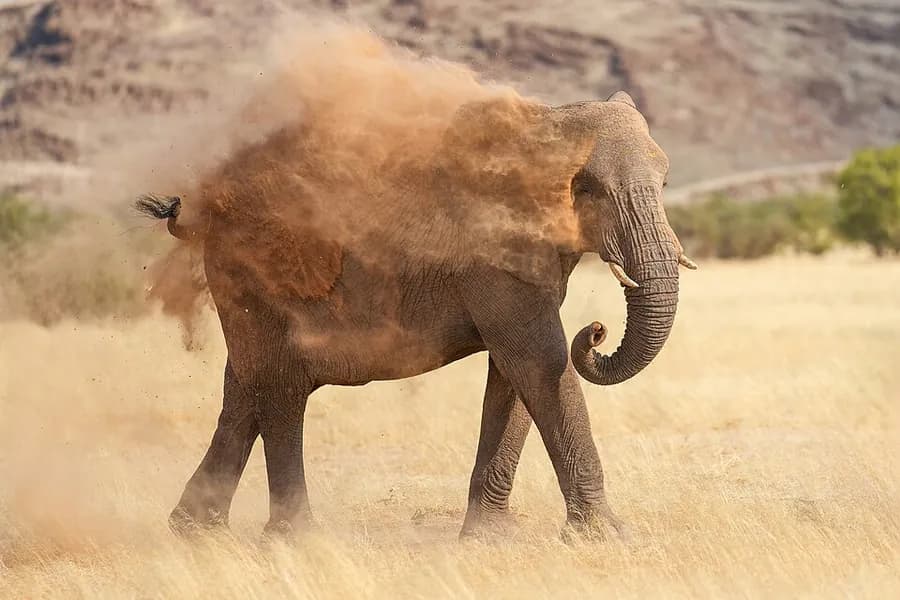
فیل بیشهٔ آفریقایی (نام علمی: Loxodonta africana) نام یک گونه از سرده فیل آفریقایی است. این گونه با عنوان فیل ساوانای آفریقایی هم شناخته میشوند. این فیلها با ۴٫۰۰ متر (۱۳٫۱ فوت) طول، بزرگترین جانور خشکیزی کره زمین محسوب میشوند. هر دو جنس نر و ماده دارای عاجهایی هستند که در سنین ۱ تا ۳ سالگی شروع به رشد میکنند و این رشد و افزایش طول عاج تا سنین بزرگسالی و در طول زندگی ادامه مییابد. فیل بیشهٔ آفریقایی در ۳۷ کشور آفریقایی پراکنده شدهاست که در نقاطی همچون جنگلها، علفزارها و زمینهای جنگلی، تالابها و در برخی مواقع زمینهای کشاورزی هم قابل مشاهده است. از سال ۲۰۰۴ به عنوان گونه در خطر انقراض در فهرست سرخ گونههای در معرض خطر قرار گرفتهاست. بیشترین تهدید عمده برای این گونه از فیلها، تخریب زیستگاه و در بخشهایی، شکار غیرقانونی برای استفاده از گوشت و عاج آنها است. فیل بیشه آفریقایی پوستی خاکستری همراه با موها و کرکهای ریزی دارد. گوشهای بزرگ این گونه از فیلها تمام قسمت شانه را میپوشاند. این گوشها میتوانند تا ۲ در ۱٫۵ متر (۶٫۶ در ۴٫۹ فوت) رشد کنند. گوشهای بزرگ این فیلها به کاهش گرمای بدن کمک قابلتوجهی مینمایند که با تکان دادن آنها، جریان هوای مناسبی ایجاد میشود. نوک گوشها تیز و غالباً مثلثی شکل هستند.
Text: Wikipedia, CC BY-SA 4.0.
IUCN Red List assessment, 2022.
- Body mass
- 4,565 kg
- Body length
- 7.5 m
- Shoulder height
- 2.8 m
- Top speed
- 25 km/h
- Bite force
- not recorded
- Maximum lifespan
- 80 years
Everything we know about the Elephant
Typical adult figures. Where a value is an estimate rather than a measurement, it says so.
Body mass4,565 kgCOMBINEOther figures ↓Hide ↑
Source: COMBINE · v1 (Soria et al. 2021) · CC BY 4.0
Figures vary
- 4,800 kgAnAgeAnAge build 15, 2023-07-03 (HAGR)data quality: acceptable
Body length7.5 mCOMBINEDetails ↓Hide ↑
Source: COMBINE · v1 (Soria et al. 2021) · CC BY 4.0
Shoulder height2.8 maverage2.4–3.2 m · range across sexesOther figures ↓Hide ↑
Species-level value synthesised as the mean of: female, male.
By sex
- Male3.2 mNowak, Walker's Mammals of the World (1999)Bulls; cows average ~2.6 m.
- Female2.4 mLaursen & Bekoff 1978, Mammalian Species 92, p.1Height at the shoulder.
Top speed25 km/hDetails ↓Hide ↑
Elephants never leave the ground; this is a fast walk, not a run. MEASURED by photosensor timing and video over 188 trials, but in ASIAN elephants. The compilations disagree -- 34.0 (Bejan & Marden 2006) and 35.0 km/h (Garland 1983) -- and Hutchinson has publicly attributed those to speedometer-based anecdote. A measurement of the wrong species beats an estimate of the right one, but this needs a reviewer's decision.
Source: Hutchinson et al. 2003, Nature 422:493 (measured 6.8 m/s in Elephas maximus) · see citation
Brain mass5,277 gCOMBINEDetails ↓Hide ↑
Source: COMBINE · v1 (Soria et al. 2021) · CC BY 4.0
Maximum lifespan80 yearsCOMBINEOther figures ↓Hide ↑
Source: COMBINE · v1 (Soria et al. 2021) · CC BY 4.0
Figures vary
- 65 yearsAnAgeAnAge build 15, 2023-07-03 (HAGR)data quality: acceptable
Generation length25 yearsCOMBINEDetails ↓Hide ↑
Source: COMBINE · v1 (Soria et al. 2021) · CC BY 4.0
Age at maturity14 yearsCOMBINEDetails ↓Hide ↑
Source: COMBINE · v1 (Soria et al. 2021) · CC BY 4.0
Gestation1.8 yearsCOMBINEOther figures ↓Hide ↑
Source: COMBINE · v1 (Soria et al. 2021) · CC BY 4.0
Figures vary
- 1.8 yearsAnAgeAnAge build 15, 2023-07-03 (HAGR)data quality: acceptable
Litter size1COMBINEOther figures ↓Hide ↑
Source: COMBINE · v1 (Soria et al. 2021) · CC BY 4.0
Figures vary
- 1AnAgeAnAge build 15, 2023-07-03 (HAGR)data quality: acceptable
Trophic levelHerbivoreCOMBINEDetails ↓Hide ↑
Source: COMBINE · v1 (Soria et al. 2021) · CC BY 4.0
Activity cycleCrepuscular / mixedCOMBINEDetails ↓Hide ↑
Source: COMBINE · v1 (Soria et al. 2021) · CC BY 4.0
Home range588 km²COMBINEDetails ↓Hide ↑
Source: COMBINE · v1 (Soria et al. 2021) · CC BY 4.0
Population density0.56 per km²COMBINEDetails ↓Hide ↑
Source: COMBINE · v1 (Soria et al. 2021) · CC BY 4.0
Wild population415,000Details ↓Hide ↑
Savanna and forest elephants combined; see note on IUCN licensing.
Source: IUCN African Elephant Status Report 2016 (continental estimate) · see citation
Volume l4,565 LaverageDetails ↓Hide ↑
Body mass at ~1.0 kg/L, the density of vertebrate tissue.
average = a mean across sexes or species in a group.
Not recorded for Elephant yet: bite force.
Family tree
- kingdomAnimalia
- ›phylumChordata
- ›classMammalia
- ›orderProboscidea
- ›familyElephantidae
- ›genusLoxodonta
- ›speciesLoxodonta africana
- classMammals · Mammalia
- orderElephants · Proboscidea
- familyElephantidae
- genusLoxodonta
All 12 branches ↓Fewer branches ↑
- kingdomMetazoa
- phylumChordata
- subphylumCraniata
- subphylumVertebrata
- superclassGnathostomata
- superclassSarcopterygii
- superclassTetrapoda
- classMammals · Mammalia
- subclassTheria
- orderElephants · Proboscidea
- familyElephantidae
- genusLoxodonta
More about the Elephant


حیوانات در قاب دوربین
فیلم واقعی از حیوانات این سایت — در حال شکار، درگیری و گذران زندگی روزمره.
Compare the Elephant
Pick a tool — the Elephant is already selected.
Compare every stat with any other animal.
Stand them on the same floor and see who's bigger.
Does it punch above its weight? Its stats against what body size predicts.
See where it sits in the tree of life.